Reading to Improve Writing Skills
“Just write every day of your life. Read intensely. Then see what happens.” – Ray Bradbury
Dear Fellow Writer,
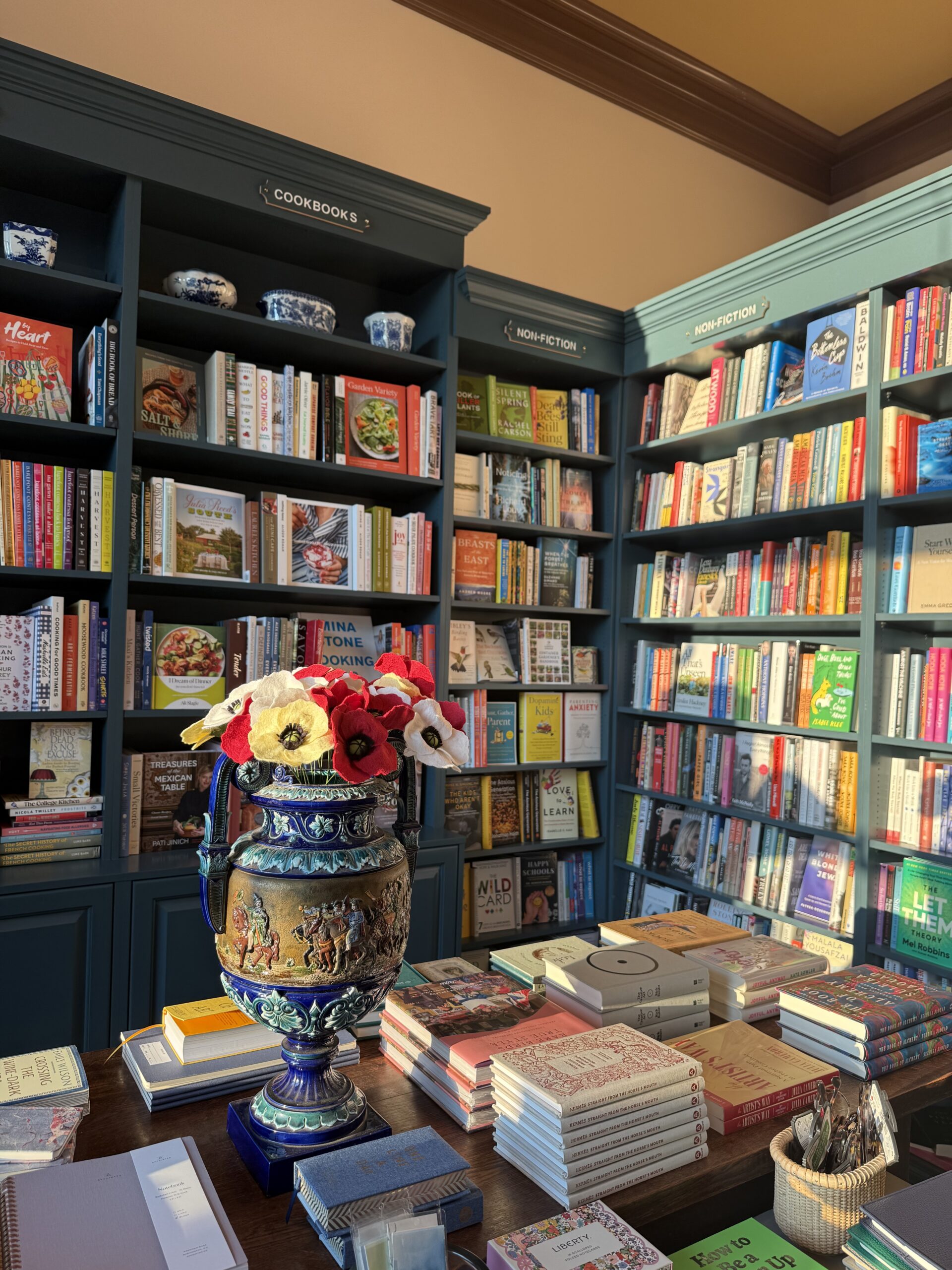
I am so glad you found your way here. I hope you will finish this blog feeling inspired write and read as often as you can! Reading is not only is one of the greatest pastimes (in my opinion), but it helps us to grow as writers. We can only ever write the words we have read. There is so much to learn from the great authors that have come before us.
Don’t Reinvent the Wheel
Taking inspiration and making something your own is so much of what art is. One of the most prolific writers of the fantasy genre, J.R.R Tolkien, was deeply inspired by the English epic poem, Beowulf. Beowulf is the oldest written poem in the English language and proves to be one of the “most influential works in English literature,” (Gilliam Writers Group).
This 6th-century heroic story is reflected in many of the books we know and love today. For example, J.R.R Tolkien and George R. R. Martin are two of many authors of fantasy novels that were inspired by the poem. Tolkien incorporated a treasure hoarding dragon into his famous book The Hobbit and Martin focused on creating complex heroes in his bestselling book series turned HBO Max show, Game of Thrones.
Beowulf is only one of thousands of books that will not only take us to new places and allow us to walk in the shoes of others, but to improve our writing and vocabulary drastically. I know when I read a good novel I get inspired to write my own and try to incorporate aspect of the author’s writing style or tone into my own. Or I read a book and decide what I do not want to include in a novel of mine. However, we cannot arrive at these conclusions if we do not read often.
To help you out, I have listed ten books I recommend you to read from a number of genres and ten books that are on my personal TBR (to be read) as well.
Ten books I LOVE to expand your reading (thus improving your writing):
- Mistborn by Brandon Sanderson (Fantasy)
- Frankenstein by Mary Shelley (Gothic Classic)
- To Kill a Mockingbird by Harper Lee (Classic)
- The Giver by Lois Lowry (Dystopian)
- The Unselected Journals of Emma M. Lion by Beth Brower (Historical Fiction Series) (my favorite series!)
- A Voice in the Wind by Francine Rivers (Christian Historical Fiction)
- The Screwtape Letters by C.S. Lewis (Christian Apologetics Novel)
- Harry Potter by J.K. Rowling (Fantasy Series) (obviously had to be included)
- A Gentleman in Moscow by Amor Towles (Historical Fiction
- Summer Romance by Annabel Monaghan (Romance)
Ten books on my TBR:
- Jane Eyre by Charlotte Brontë (Classic)
- Red Rising by Pierce Brown (Science Fiction)
- The Great Alone by Kristin Hannah (Historical Fiction)
- Great Expectations by Charles Dickens (Classic)
- East of Eden by John Steinbeck (Classic)
- The Name of the Wind by Patrick Rothfuss (Fantasy)
- The Bright Years by Sarah Damoff (Literary Fiction)
- Lonesome Dove by Larry McMurty (Western)
- The Maid by Nita Prose (Mystery)
- Main Characters by Bobby Palmer (Romance)
So you want a practical and fun way to improve your writing? Read. Read. Read.
Sincerely,
Katie (a fellow writer)
P.S. Check out other PlotGarden blogs here!
SOCIALS: Instagram, Facebook, Pinterest
https://www.britannica.com/topic/Beowulf
1 Comment
Noel · October 14, 2026 at 1:59 pm
Love this blog so much!!